
How to Choose the Right Software to Scale and Grow Your Digital Project
The success of your digital project starts with selecting the right code. At MediaServe Code, we provide a comprehensive...
Read article →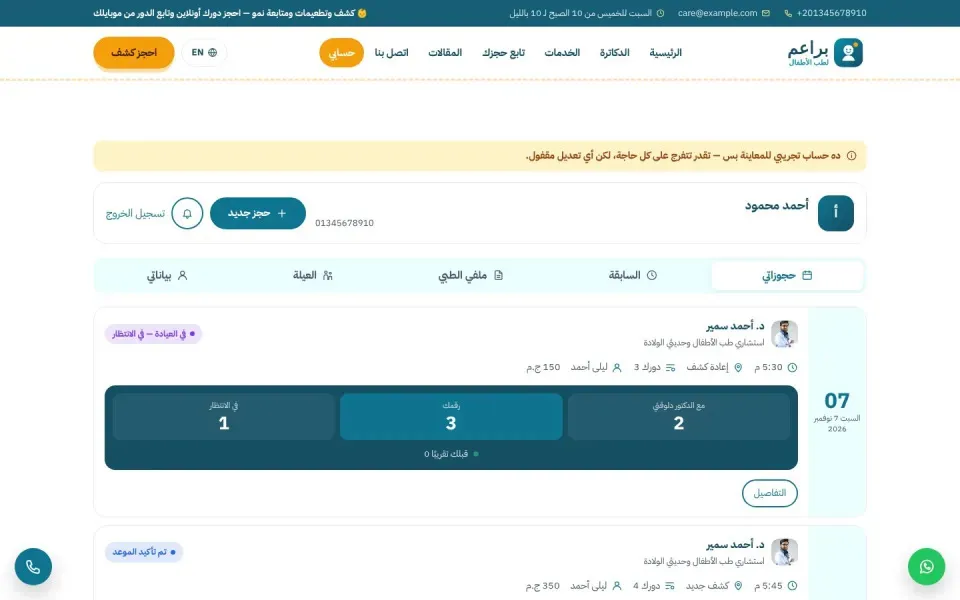
Discover how electronic patient records management helps clinics organize patient information, medical visits, diagnoses, and records with Shifa Clinic.
Patient information is one of the most important parts of daily medical practice. Every consultation may involve details that doctors need to review, including medical history, diagnoses, measurements, and previous treatments.
However, relying on paper files and traditional records can make information difficult to find, especially in clinics that receive many patients every day.
That is why electronic patient records management has become an important step toward improving clinic operations, organizing medical information, and supporting patient follow-up.
In this guide, we explore the benefits of electronic medical records, the essential features of patient records software, and how Shifa Clinic by Media Serve helps clinics organize medical information.
Electronic patient records management means using specialized software to record patient information and store medical details associated with their visits in an organized database.
Instead of searching through paper folders, authorized users can access recorded information through the system.
Patient records may include:
This approach makes information easier to organize and retrieve. However, clinics must also apply appropriate privacy and data protection measures.
Moving from paper files to a digital system is not simply about changing how information is stored. It can also improve the way a clinic manages its daily operations.
When records are stored in an organized system, authorized staff can find patient information more easily than searching through paper folders.
A structured visit history helps doctors review previously recorded information and follow a patient's progress across different consultations.
Digital records reduce the need to manage large volumes of paper documents and help keep information in one organized environment.
When patient information, visits, and appointments are organized, doctors and reception staff can access the information they need according to their assigned permissions.
Structured digital forms can reduce some errors associated with handwriting and misplaced documents. However, staff must still review records and verify their accuracy.
The contents of a medical record depend on the clinic's specialty and services. However, several important elements are useful for most medical practices.
Basic details required to identify the patient and access their record, according to the clinic's registration policies.
Previous visits and their dates should be recorded so doctors can review information documented during earlier consultations.
Recording diagnoses helps organize clinical information and provides a reference for future follow-up.
Clinics may record measurements associated with each visit, allowing doctors to review the documented information when necessary.
Some cases require additional documents or files related to medical examinations and consultations. A useful system should provide an organized way to store these attachments.
Recording prescriptions and keeping copies helps organize treatment information and makes it easier to review when needed.
Shifa Clinic by Media Serve provides tools that help medical clinics organize patient records and manage medical information.
Available features include:
These features help bring recorded information together in one working environment instead of distributing it across paper files and separate sources.
Explore the system:
Product page: https://code.mediaserves.com/products/shifa-clinic
Live demo: https://clinic.mediaserves.com/
ComparisonPaper RecordsElectronic RecordsFinding informationManual searchingSearch within the systemVisit organizationPaper-based recordingDigital visit recordsDocument storagePhysical storage spaceDigital attachmentsInformation reviewMay require checking several documentsAccess to recorded informationUser permissionsDepends on physical file proceduresCan be configured by user role
Choosing the right digital system can improve information organization, but it still requires proper setup and staff training.
Before purchasing a medical records system, make sure it matches your clinic's actual requirements.
The interface should be clear and simple enough for doctors and reception staff to use.
An Arabic interface with right-to-left text support can make everyday use easier for clinics serving Arabic-speaking patients.
Check whether the software supports organized recording of visits, diagnoses, measurements, and clinical notes.
The ability to attach relevant documents to patient records helps keep important information accessible.
The system should provide a way to control who can view or edit information according to their responsibilities.
Patient information is sensitive. Clinics should secure the system, control user access, keep software updated, and maintain an appropriate backup and recovery policy.
Clinics can implement the transition gradually to avoid disrupting daily operations.
It is also important to verify records during migration and avoid discarding paper files until the transition is complete and all required information has been preserved.
Yes. Small clinics can benefit from electronic medical records even if they have only one doctor and a limited number of patients.
An organized system helps maintain a clear visit history and makes information easier to access as the clinic grows.
The key is choosing software that matches the clinic's size and requirements instead of paying for unnecessary features.
If you want to organize patient information and medical visits in your clinic, explore Shifa Clinic.
The system provides tools for managing patient records, recording visits, diagnoses, measurements, and attachments, as well as creating prescriptions and coordinating work between doctors and reception staff.
It also supports Arabic and English interfaces and offers templates for several medical specialties.
Explore the following links:
It is a digital record containing documented patient information, such as medical visits, diagnoses, measurements, attachments, and prescriptions.
This depends on the laws and procedures that apply to the medical facility. Clinics should verify record-retention requirements before discontinuing paper archives.
Yes, when the software provides visit history and allows authorized doctors to access those records.
Some systems support medical document attachments. Shifa Clinic provides the ability to record attachments associated with patient files.
Clinics should use strong passwords, define user permissions, update their systems, secure their hosting environment, and perform regular backups.
Organizing medical records is an important step toward improving clinic management and making recorded information easier to access.
With Shifa Clinic by Media Serve, you can use tools that help manage patient records, visits, diagnoses, and prescriptions through one system.
Contact Media Serve:

The success of your digital project starts with selecting the right code. At MediaServe Code, we provide a comprehensive...
Read article →
Looking for the best programming company in Egypt and the Middle East? Discover key selection criteria and why Media Ser...
Read article →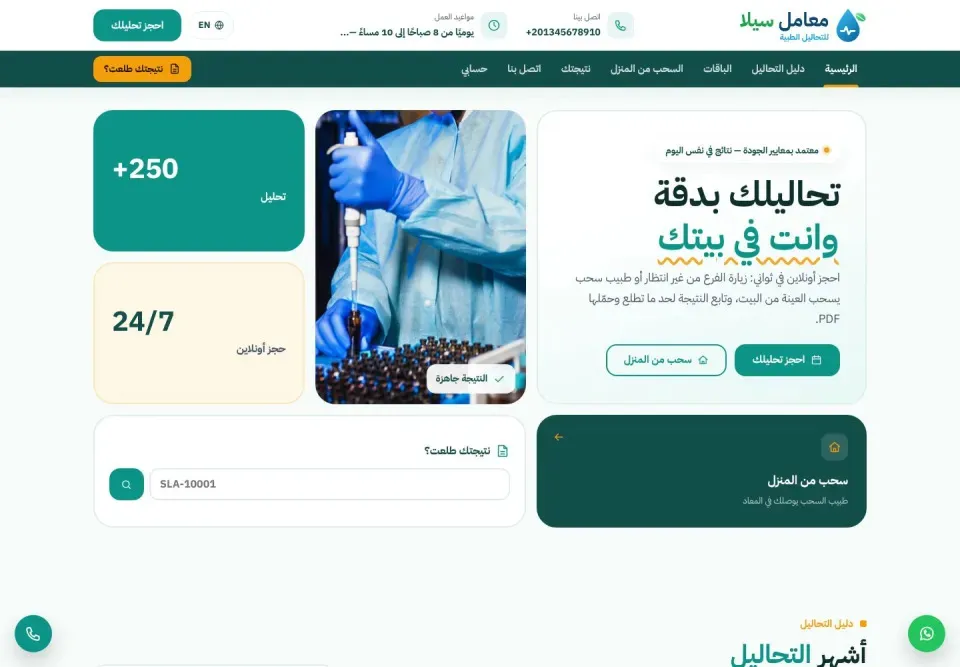
Learn how to build a professional medical laboratory website with online booking, test catalogs, service information, an...
Read article →No comments yet — be the first!